


-
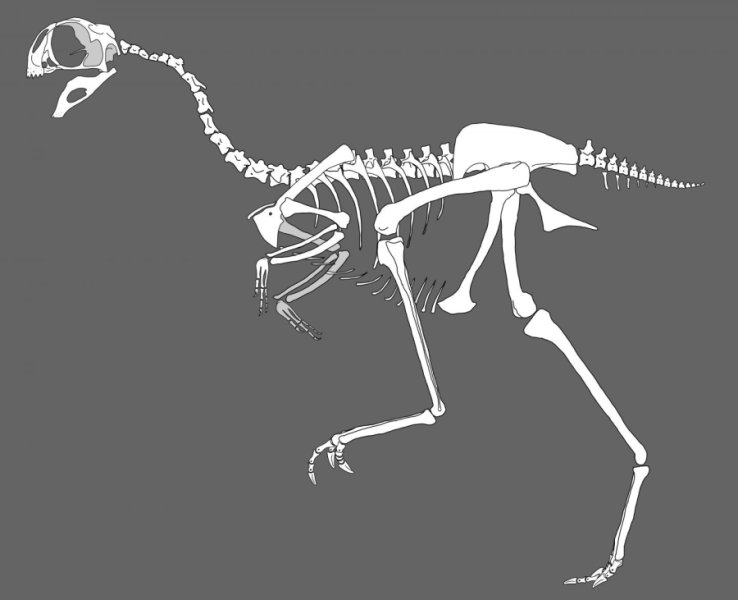
Dinosaurs of a Feather Flock and Die Together?
A new publication on the bird-like dinosaur Avimimus, from the late-Cretaceous suggests they were gregarious, social animals -- evidence that flies in the face of the long-held mysticism surrounding dinosaurs as solo creatures.
August 04,2017
-
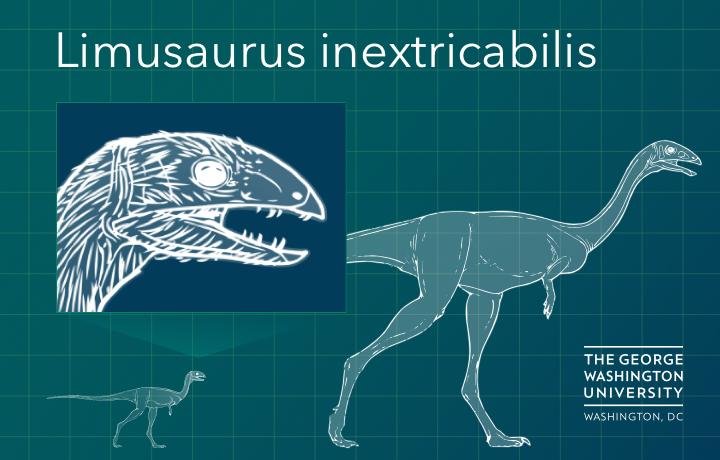
No Teeth? No Problem: Dinosaur Species Had Teeth as Babies, Lost Them as They Grew
Researchers have discovered that a species of dinosaur, Limusaurus inextricabilis, lost its teeth in adolescence and did not grow another set as adults. The finding is a radical change in anatomy during a lifespan and may help to explain why birds have beaks but no teeth.
August 04,2017
-
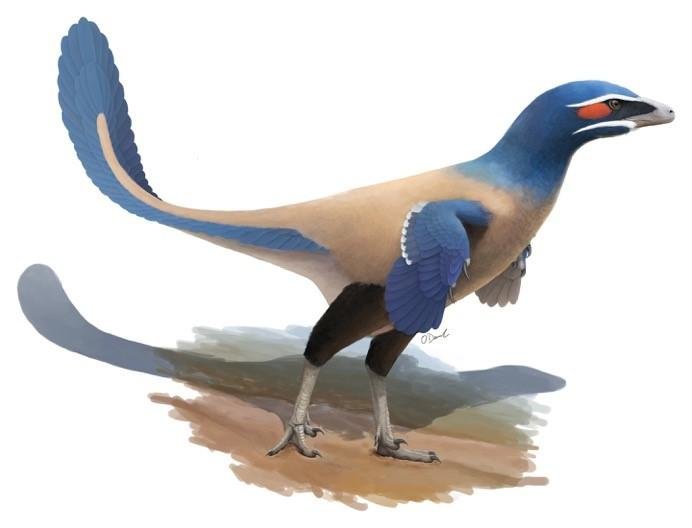
New Species of Dinosaur Named After Canadian Icon
A new species of troodontid theropod dinosaur, Albertavenator curriei, has been identified. It is named after renowned Canadian palaeontologist Dr. Philip J. Currie. Palaeontologists initially thought that the bones of Albertavenator belonged to its close relative Troodon, which lived around 76 million years ago. This new species of troodontid in the Late Cretaceous of North America indicates that small dinosaur diversity in the latest Cretaceous of North America is likely underestimated due to the difficulty of identifying species from fragmentary fossils.
July 26,2017
-
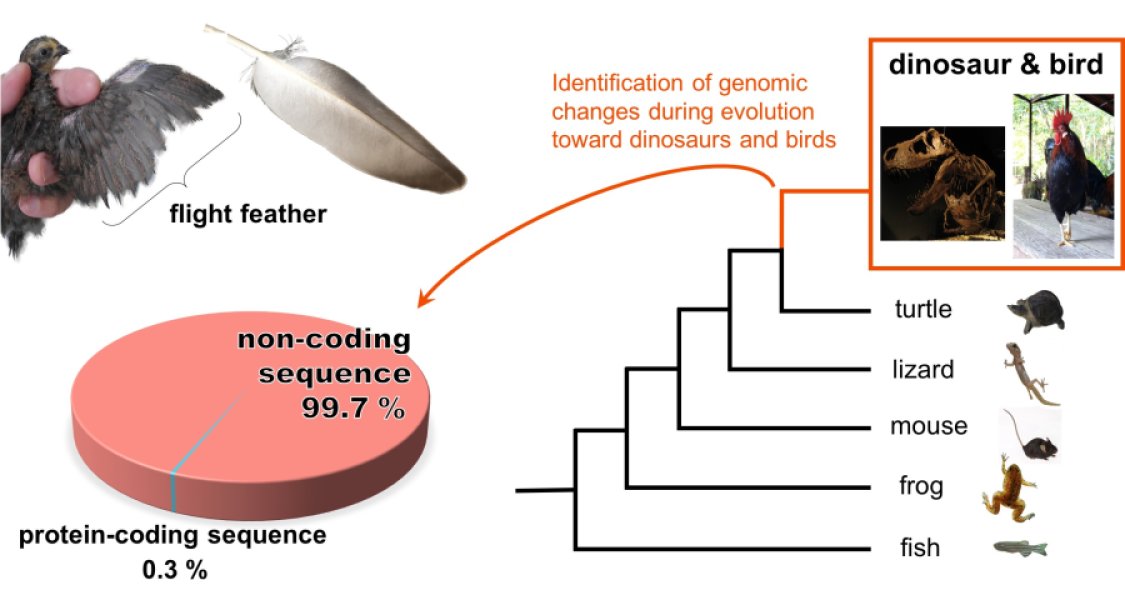
How Dinosaurs May Have Evolved Into Birds
Evolutionary biologists have suspected that anatomical differences within and between species are caused by cis-regulatory elements (CREs). CREs are regions of genome DNA that do not code for proteins, and control morphology and other traits by regulating genes.
July 12,2017
-
The Better to Eat You with? How Dinosaurs' Jaws Influenced Diet
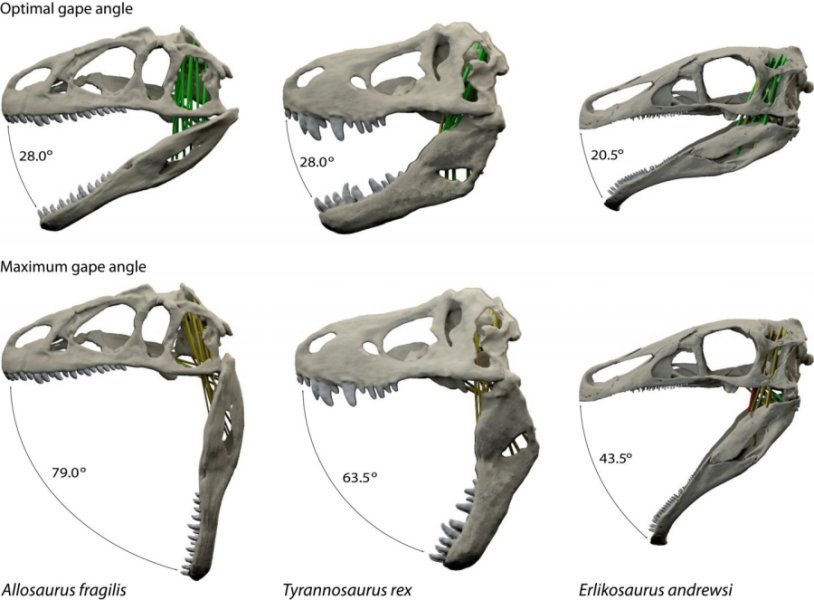
Just how bad was T. rexs bite? New research from the University of Bristol has found that the feeding style and dietary preferences of dinosaurs was closely linked to how wide they could open their jaws.Using digital models and computer analyses, Dr Stephan Lautenschlager from Bristols School of Earth Sciences studied the muscle strain during jaw opening of three different theropod dinosaurs with different dietary habits. Theropods (from the Greek for "beast-footed") were a diverse group of two-legged dinosaurs that included the largest carnivores ever to walk Earth.Dr Lautenschlager said: "Theropod dinosaurs, such aTyrannosaurus rex or Allosaurus, are often depicted with widely-opened jaws, presumably to emphasise their carnivorous nature. Yet, up to now, no studies have actually focused on the relation between jaw musculature, feeding style and the maximal possible jaw gape."The research looked at Tyrannosaurus rex, a large-sized meat-eating theropod with a massively built skull and up to 15cm long teeth; Allosaurus fragilis, a more lightly built but predatory and meat-eating theropod; and Erlikosaurus andrewsi, a closely related but plant-eating member of the theropod family.Dr Lautenschlager said: "All muscles, including those used for closing and opening the jaw, can only stretch a certain amount before they tear. This considerably limits how wide an animal can open its jaws and therefore how and on what it can feed."In order to fully understand the relation between muscle strain and jaw gape, detailed computer models were created to simulate jaw opening and closing, while measuring the length changes in the digital muscles. The dinosaur species in the study were also compared to their living relatives, crocodiles and birds, for which muscle strain and maximal jaw gape are known.The study found that the carnivorous Tyrannosaurus andAllosaurus were capable of a wide gape (up to 90 degrees), while the herbivorous Erlikosaurus was lim
July 06,2017
-
Gigantic Crocodile With T. Rex Teeth Was a Top Land Predator of the Jurassic in Madagascar
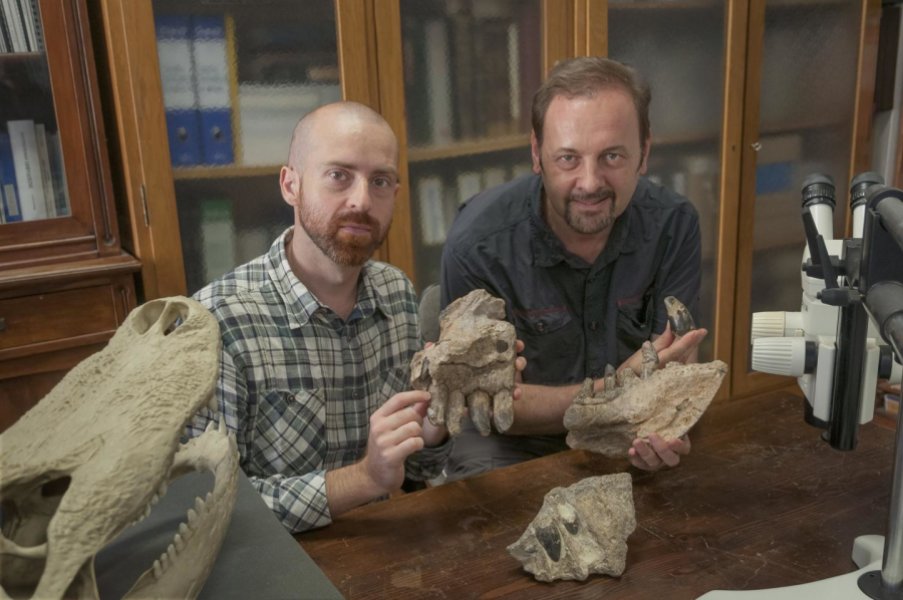
Little is known about the origin and early evolution of the Notosuchia, hitherto unknown in the Jurassic period. New research on fossils from Madagascar, published in the peer-reviewed journal PeerJ by Italian and French paleontologists, begin to fill the gap in a million-year-long ghost lineage.Deep and massive jaw bones armed with enormous serrated teeth that are similar in size and shape to those of a T-rex strongly suggest that these animals fed also on hard tissue such as bone and tendon. The full name of the predatory crocodyliform (nicknamed Razana) is Razanandrongobe sakalavae, which means "giant lizard ancestor from Sakalava region."A combination of anatomical features clearly identify this taxon as a Jurassic notosuchian, close to the South American baurusuchids and sebecids, that were highly specialized predators of terrestrial habits, different from present-day crocodilians in having a deep skull and powerful erect limbs. "Like these and other gigantic crocs from the Cretaceous, Razana could outcompete even theropod dinosaurs, at the top of the food chain," says Cristiano Dal Sasso, of the Natural History Museum of Milan.Razanandrongobe sakalavae is by far the oldest -- and possibly the largest -- representative of the Notosuchia, documenting one of the earliest events of exacerbated increase in body size along the evolutionary history of the group."Its geographic position during the period when Madagascar was separating from other landmasses is strongly suggestive of an endemic lineage. At the same time, it represents a further signal that the Notosuchia originated in southern Gondwana," remarks co-author Simone Maganuco.
July 06,2017
-
Carnivorous Dinosaurs Strolled Along Beach
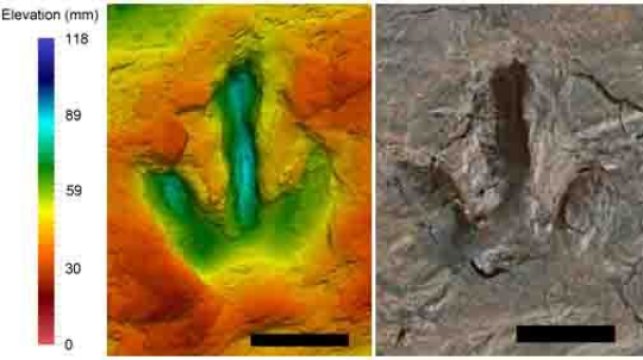
Some 142 million years ago, two carnivorous dinosaurs strolled along the beach in what is now Germany. Their footprints fossilized and have been analyzed by a biologist who now provides insight into the two hunters daily life.
July 05,2017
-
Good Ribbance: Dinosaur Rib Bones Reveal Remnants of 195-Million-Year-Old Protein
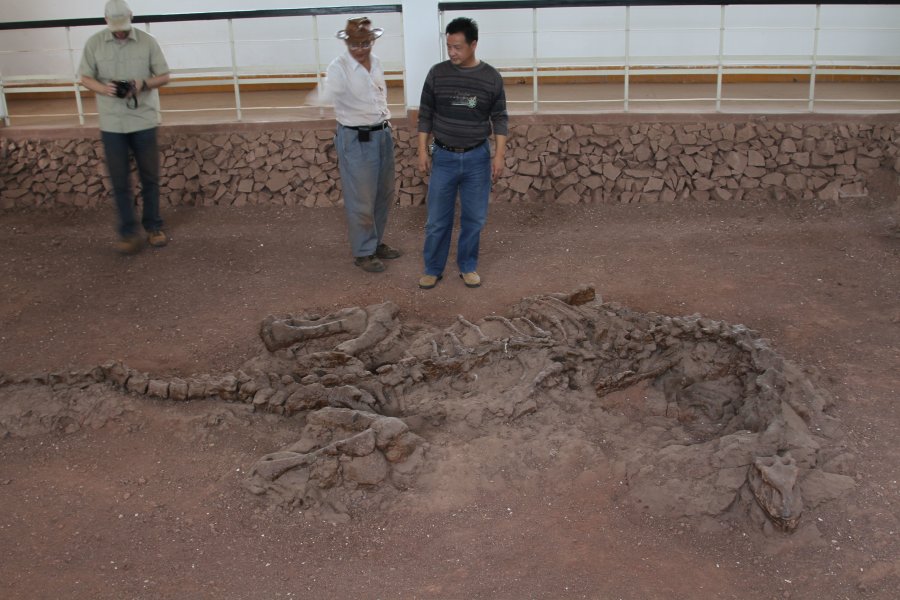
Is fossilized rock all that remains when a dinosaur decomposes? New research provides the first evidence that proteins have been preserved within the 195-million-year-old rib of the sauropodomorph dinosaur Lufengosaurus.
July 05,2017
-
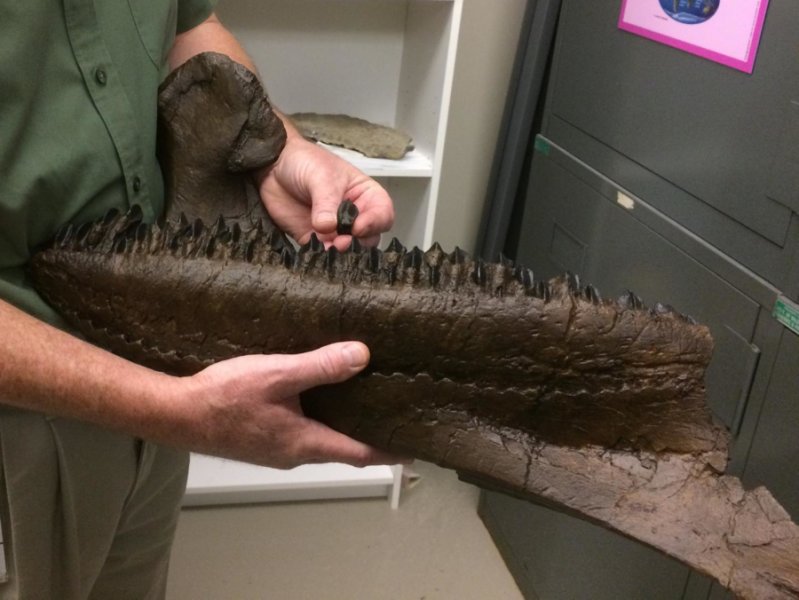
Rare Tooth Find Reveals Horned Dinosaurs in Eastern North America
A chance discovery in Mississippi provides the first evidence of an animal closely related to Triceratops in eastern North America. The fossil, a tooth from rocks between 68 and 66 million years old, shows that two halves of the continent previously thought to be separated by seaway were probably connected before the end of the Age of Dinosaurs.
July 03,2017
-
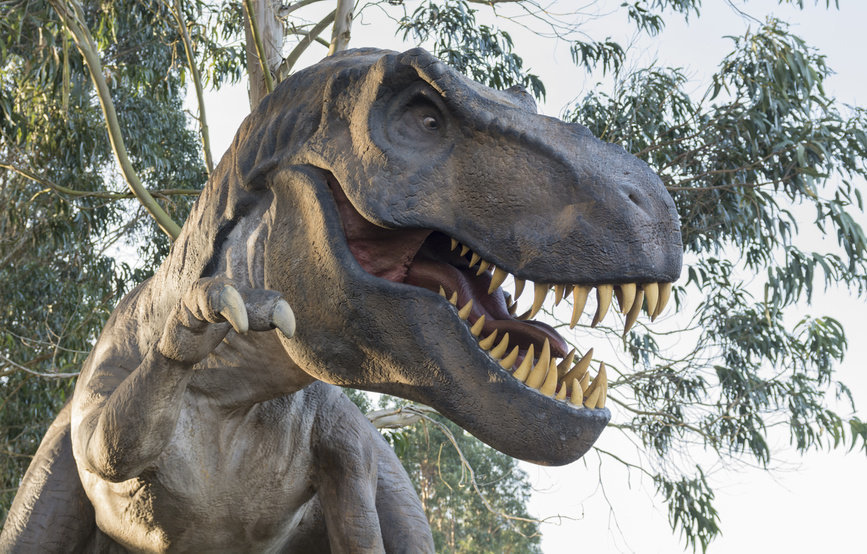
Secrets Behind T. Rex's Bone Crushing Bites: T. Rex Could Crush with 8,000 Pound Bite Forces
The giant Tyrannosaurus rex pulverized bones by biting down with forces equaling the weight of three small cars while simultaneously generating world record tooth pressures, according to a new study.
July 03,2017

